
Spiritual Formation Over Funnels
- Blog Spiritual Formation Over Funnels

A Mobilization Journey Map for Intentional Discipleship
For many years, mobilization efforts have often been described using the language of business.
Pipelines. Funnels. Conversion rates.
Those frameworks can be helpful for tracking activity and understanding how people move through a process. But when applied too rigidly, they miss something important about how people actually discern God’s calling.
Following Jesus into mission is rarely a quick decision. It is usually a journey of curiosity, prayer, conversation, and gradual clarity. People wrestle with the implications for their lives, their families, and their futures. They imagine what obedience might require and slowly begin to sense whether God might truly be inviting them into something new.
When mobilization is viewed only through the lens of efficiency, those long seasons can feel frustrating. Leaders look at dashboards and wonder why someone hasn’t responded yet, or why a candidate has remained in the same stage for months.
But perhaps the deeper question is this:
What if the slower rhythm we see in mobilization pipelines is not a problem to fix, but a reality to understand?
Why God Often Works Through Slow Discernment
One of the tensions mobilization leaders often feel is the pace of the journey.
From an organizational perspective, long periods of waiting can feel uncomfortable. Someone expresses interest, receives information, and then… nothing happens for weeks or months. It can be tempting to assume something has gone wrong in the process.
But throughout Scripture and church history, God’s invitations are rarely followed by immediate clarity. More often they unfold through seasons of reflection, prayer, and gradual obedience.
- Moses spent years in the wilderness before stepping into leadership.
- David was anointed king long before he ever wore the crown.
- Paul spent extended time in preparation before beginning his missionary journeys.
A calling often develops slowly because it touches every part of a person’s life. Decisions about missions are rarely isolated choices. They affect family relationships, financial stability, career paths, and community ties. It is natural—and often wise—for people to wrestle with those implications before moving forward.
In many cases, the quiet seasons we see in mobilization pipelines are not moments of inactivity at all! They are seasons where individuals are praying, seeking counsel, and learning to listen for God’s voice. This is vital!
Mobilization leaders cannot rush that process, and perhaps are not meant to.
Instead, their role is to create environments where discernment can happen well. They can offer encouragement, provide clarity when questions arise, and remain present as people seek God’s direction.
When we begin to understand calling through this lens, the patterns we see in the data of mobilization start to make much more sense.
What the Data Is Quietly Revealing
After examining several organizations, we found that mobilization pipelines look very different on the surface. Some organizations have hundreds of people exploring opportunities, while others may only have a few dozen individuals in active discernment.
Some pipelines focus on short-term opportunities, while others guide people toward long-term missionary careers.
Despite those differences, a consistent pattern appears. People rarely move directly from curiosity to commitment. The path rarely looks linear.
Instead, they move through a series of stages that often take months—and sometimes years—as they explore possibilities, seek counsel, and gradually grow into clarity.
When we looked closely at the data from these selected pipelines, five distinct phases began to emerge again and again. What these stages were called differed from organization to organization, but the underlying journey remained remarkably consistent.
These stages form what we call the Mobilization Journey Map.
The Mobilization Journey Map
The Mobilization Journey Map describes the five common phases people move through as they discern God’s invitation into mission:
- Awakening
- Exploration
- Discernment
- Activation
- Preparation
Each stage reflects a different posture in the candidate’s journey—and a different way the organization can come alongside them.
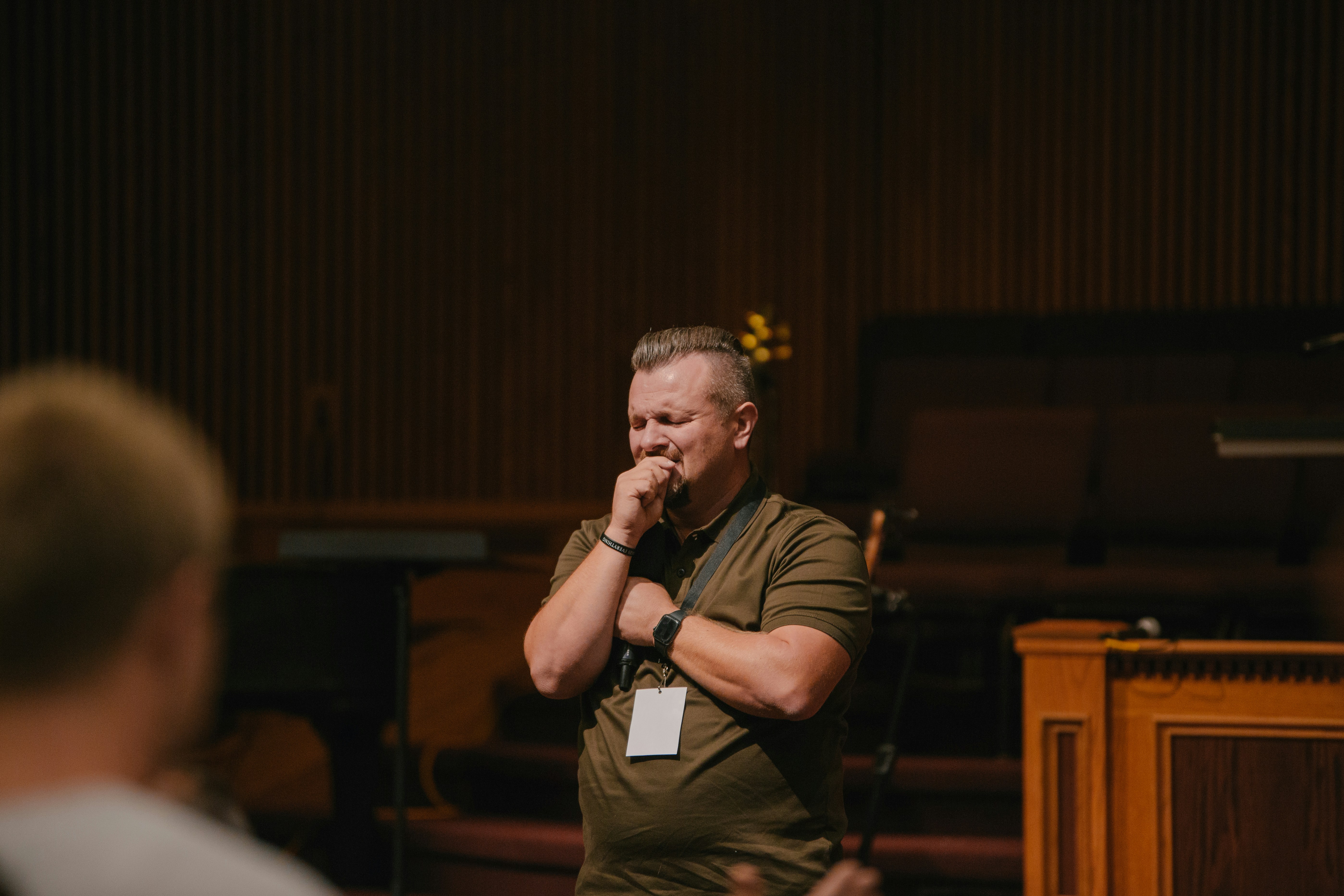
Mobilization Stage 1: Awakening
When the Idea First Appears
Every mobilization journey begins with awareness.
Someone hears a missionary speak at church. They attend a missions conference. They watch a video about what God is doing somewhere in the world. Something in their heart stirs, and a quiet question begins to form:
Could God be inviting me into something like this?
At this point, people are not making decisions. They are simply discovering that participation in God’s mission is possible for them.
Across several organizations we examined, this early stage tends to move quickly once a connection is made. Initial inquiries are often followed up within one to four weeks, helping individuals begin their exploration.
Activities in This Stage:
• Attending missions conferences or vision events
• Hearing missionaries share stories
• Joining missions interest groups
• Submitting an initial inquiry or interest form
• Introductory conversations with mobilizers
Typical Time in This Stage:
Approximately 1–4 weeks of active engagement, though curiosity may exist long before a person reaches out.
How Organizations Can Support Candidates:
At this stage, the goal is not recruitment. It is about inspiration and invitation.
Mobilization leaders should focus on helping people see the larger story of God’s mission and imagine how their lives might participate in it.
Helpful support includes:
• Vision-casting stories
• Introductory conversations
• Invitations to informational gatherings
• Accessible content about missions
Detailed expectations about fundraising or application requirements should usually wait until later stages. Early curiosity thrives when people feel welcomed into the story rather than evaluated.

Mobilization Stage 2: Exploration
Asking the Real Questions
Once curiosity is awakened, people begin exploring what missions might actually look like.
This is where practical questions start to surface, such as:
- What opportunities exist?
- What would life look like in another culture?
- Could someone like me really do this?
Across the pipelines we studied, individuals can spend months exploring opportunities before deciding whether to continue.
Exploration is not hesitation. It is an investigation.
Activities in This Stage:
- Attending informational meetings
- Introductory calls with mobilizers
- Learning about different ministry pathways
- Reading missionary stories and case studies
- Conversations with family members or mentors
Typical Time in This Stage:
Approximately 1–3 months, though some candidates may explore longer depending on life circumstances.
How Organizations Can Support Candidates
Here the mobilizer’s role shifts toward clarity.
Candidates need access to honest information and opportunities to ask questions without feeling pressured toward a decision.
Helpful support includes:
• Clear explanations of mission pathways
• Conversations with missionaries
• Opportunities to hear real experiences from the field
• Guidance about how different opportunities fit different seasons of life
Organizations should avoid overwhelming candidates with detailed fundraising expectations or complex training structures too early.
Exploration is about deeply understanding the possibilities.
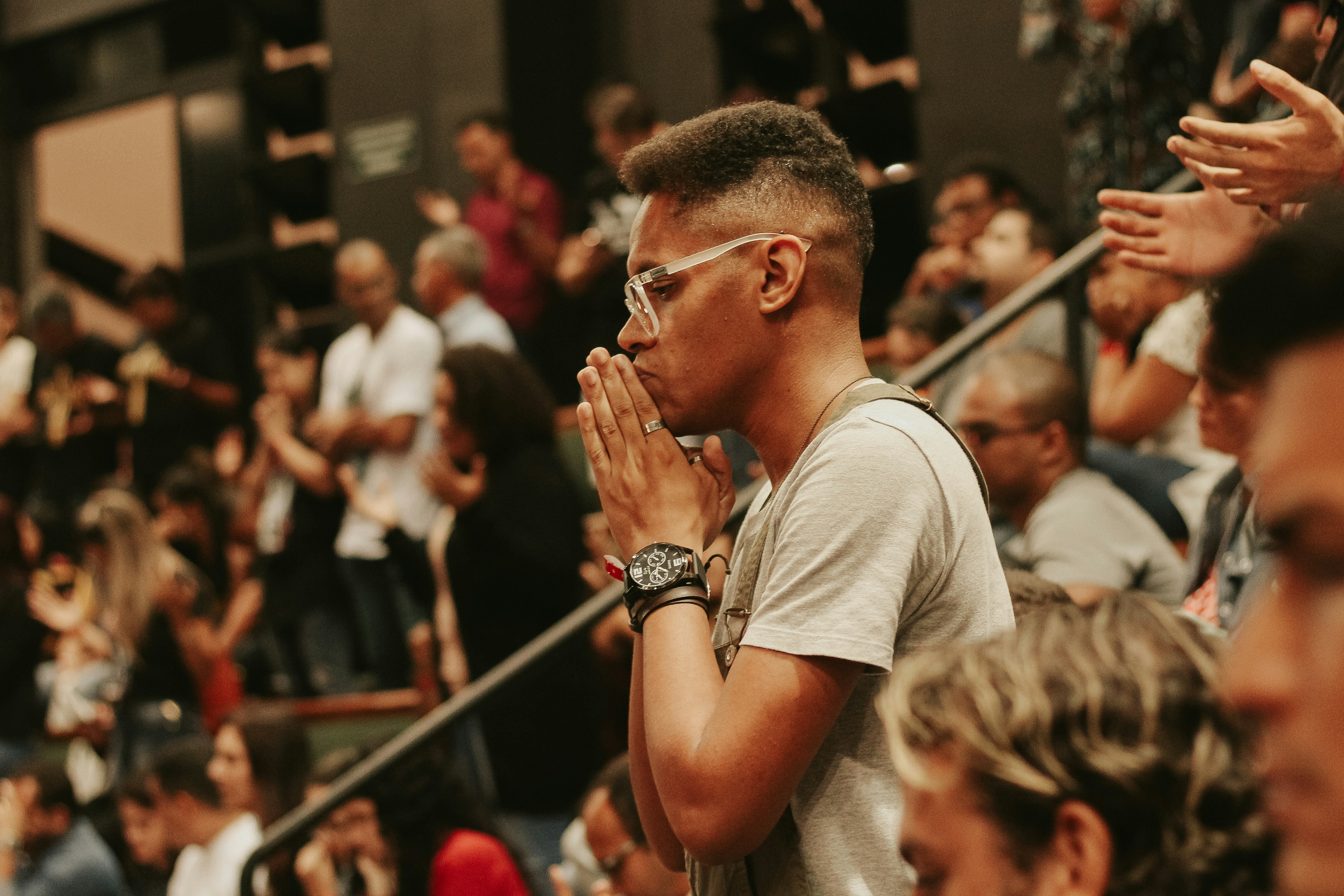
Mobilization Stage 3: Discernment
When Exploration Turns Into Prayer
Eventually exploration deepens into discernment.
The question shifts from Could I do this? to something more personal:
Is God inviting me to do this?
This stage often becomes the longest part of the early journey and it’s a discernment-oriented stage for candidates.
From a dashboard perspective, this might look like inactivity. In reality, it is often the most spiritually active stage.
Activities in This Stage:
• Intentional prayer and reflection
• Conversations with pastors or mentors
• Seeking counsel from family and trusted friends
• Participating in discipleship programs
• Attending vision or prayer gatherings
• Exploring short-term or apprenticeship experiences
Typical Time in This Stage:
Approximately 3–6 months, though some individuals may take longer depending on life circumstances.
How Organizations Can Support Candidates
This stage requires a pastoral posture.
Mobilization leaders should create environments where candidates can process their calling thoughtfully.
Helpful support includes:
• Discernment guides or prayer resources
• Spiritual mentorship
• Conversations with experienced missionaries
• Opportunities to test calling through short-term service
Discernment is not a stage to rush. It is where people begin to listen carefully for God’s personal direction.

Mobilization Stage 4: Activation
When Discernment Becomes Commitment
Eventually clarity begins to emerge.
The individual decides they are ready to take a step forward. They begin the application process, participate in interviews, and move toward a more formal commitment.
Across several pipelines, this stage often unfolds relatively quickly compared to earlier phases.
Activation marks the moment when discernment becomes action.
Activities in This Stage
• Submitting a formal application
• Participating in interviews
• Beginning fundraising preparation
• Initial missionary training or orientation
Typical Time in This Stage
Approximately 1–2 months.
How Organizations Can Support Candidates
Organizations should focus on clarity and momentum.
Candidates now need practical guidance and clear expectations about the path ahead.
Helpful support includes:
• Application guidance
• Interview preparation
• Early fundraising coaching
• Clear timelines and next steps
Activation helps candidates move confidently from exploration and listening into action and commitment.
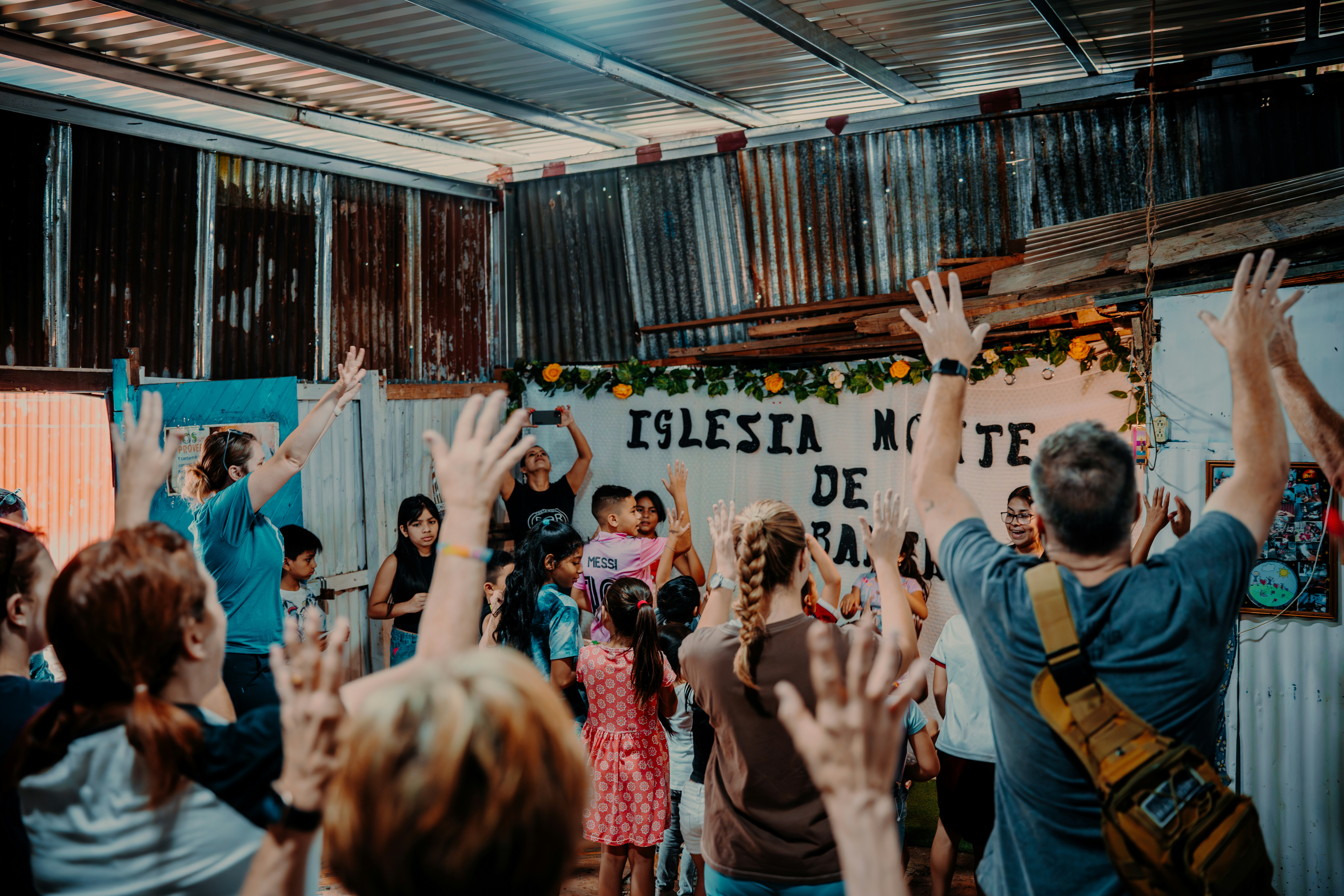
Mobilization Stage 5: Preparation
Formation for the Journey Ahead
Once someone commits to the path forward, preparation begins.
This stage often includes fundraising, missionary training, team development, and practical preparation for life and ministry on the field.
Across multiple organizations we examined, preparation may last even a year or more, largely depending on fundraising timelines and training programs.
Preparation is not merely logistical. It is formative.
Activities in This Stage:
• Building a financial support team
• Completing missionary training programs
• Developing cross-cultural awareness
• Team formation and leadership development
• Preparing for deployment
Typical Time in This Stage:
Typically 3–12+ months.
How Organizations Can Support Candidates
Organizations should focus on equipping and sustaining readiness.
Helpful support includes:
• Fundraising coaching
• Cross-cultural training
• Spiritual formation
• Team-building opportunities
• Ongoing encouragement and accountability
Preparation ensures that those who go are not only willing—but ready.
Why Understanding These Stages Matters
When mobilization is viewed as a funnel, long timelines can feel like inefficiency. Leaders may assume candidates lingering in a stage represent a broken process.
But when mobilization is understood as a formation journey, those timelines make sense. People are not simply moving through a system. They are discerning a calling.
We’d never want to encourage someone to make a commitment haphazardly and that kind of discernment rarely happens quickly.
In this journey, mobilization leaders are not simply guiding candidates through administrative steps. They are walking with individuals as they wrestle with one of the most important questions they may ever ask:
What is God inviting me to do next?
And when we begin to see mobilization through that lens, our pipelines stop looking like funnels. They begin to look like something far more meaningful. A journey of discipleship and mission.
Ready to take massive action in your mission mobilization work? Get free ebooks, workbooks, and practical resources delivered straight to your inbox here.
Related Content



Comments